
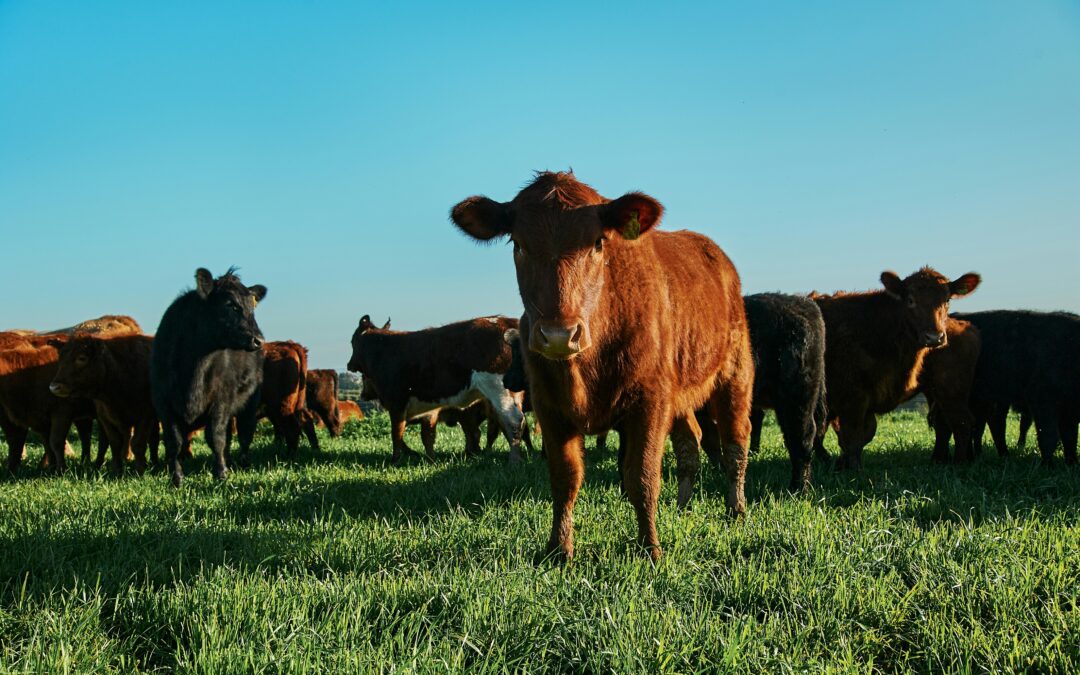
There is a distinct turning point in the Pacific Northwest summer where the afternoon air goes from pleasantly warm to heavy, thick, and stagnant. You walk out to the pasture, and instead of grazing, your cows are huddled under the lone oak tree, ears drooping, sides heaving.
For beef and dairy producers, this isn’t just an uncomfortable afternoon—it is a quiet financial drain.
As veterinarians, this is the exact time of year we get called out for reproductive checks, only to find a frustrating string of “open” (non-pregnant) cows. Behind this mid-summer breeding dip lies a silent seasonal nemesis: subclinical heat stress.
When a cow’s internal temperature ticks up even a couple of degrees, her entire reproductive system goes into survival mode, quietly shutting down fertility long before she shows drastic signs of distress.
Before you turn the bulls out or schedule your next artificial insemination (AI) technician this summer, let’s look at why summer humidity creates a metabolic barrier to pregnancy—and how you can adjust your pasture layout to beat the heat slump.
The Hidden Culprit: THI and Reproductive Shutdown
We often gauge weather by the temperature on the thermometer. Livestock, however, experience weather through the Temperature-Humidity Index (THI). Because cattle rely heavily on respiratory panting to dump internal body heat, high humidity acts like an insulating blanket, trapping heat inside their massive rumens.
When a cow’s core temperature rises, her biology makes a swift executive decision: divert resources away from non-essential systems (reproduction) and focus entirely on core survival (cooling down).
-
Egg Quality Degradation: Microscopic heat stress damages developing oocytes (egg cells) up to six weeks before they are even ovulated. A heat-stressed cow may come into heat, but the egg she releases is often unviable.
-
Early Embryonic Loss: If fertilization does happen, the fragile new embryo cannot survive a spiked uterine temperature. In the first 7 days after breeding, a minor fever can terminate the pregnancy before it even implants.
-
Silent Heats: Hot cows stop moving. They show fewer visual signs of standing heat, meaning you or your bull will completely miss the brief breeding window.
The Golden Rule: When the THI crosses 72 (which can happen at just 75°F if the humidity hits 70%), a cow’s reproductive efficiency drops by up to 30%, making afternoon breeding attempts a costly gamble.
Step-by-Step: The Summer Pasture Modification Protocol
To beat the breeding slump, you have to outmaneuver the sun. You cannot change the humidity, but you can drastically alter where and when your cattle process that heat.
Think of this strategy as shifting your herd’s work schedule to a night shift, preserving their metabolic energy for when the breeding actually happens.
1. Map Your Wind and Shade Vectors: Step 1.
Walk your paddocks at 2:00 PM. Identify sections that catch natural hill breezes or offer deep, structural tree canopy shade. Avoid rotating cattle into “dead zones”—low-lying hollows wrapped in thick brush that trap stagnant, humid air.
2. The Morning Gate Lock: Step 2.
On high-THI days, move your herd into your designated “shade paddocks” by 9:00 AM at the latest. Forcing cattle to walk or trail to water in the heat of the morning sun creates a spike in body temperature that takes hours to reverse.
3. Shift to Night Grazing: Step 3.
Hold the herd in the shaded or indoor areas during the blazing afternoon hours. Open the gates to fresh, open grazing paddocks only after the sun dips below the tree line.
Cattle do over 70% of their summer foraging at night to avoid the thermal load of digestion during the day.
4. Upgrade the Water Flow: Step 4.
Ensure your water troughs can handle the summer rush. A nursing beef cow needs up to 30 gallons of water per day in July. If the water is warm, or if the flow rate is too slow to keep up with the herd, their internal cooling mechanism completely stalls out.
Reading the Herd: Subtle Whispers of Heat Stress
Cattle are stoic, and they won’t overtly complain until they are on the edge of a medical crisis. Catching subclinical heat stress early requires observing the herd during the hottest window of the day (between 1:00 PM and 4:00 PM).
-
The Respiratory Rate: A healthy, comfortable cow takes roughly 15 to 40 breaths per minute. If you count her flank movements and see her hitting 60 to 80 breaths per minute, she is actively using her lungs to dump heat, and her reproductive tract is already running hot.
-
Group Bunching: Counterintuitively, heat-stressed cattle will often crowd tightly together in a corner or around a water source, blocking air movement. This behavioral panic is a clear sign that they cannot find relief.
-
Slabbering or Drooling: If you notice clear saliva stringing from a cow’s mouth while she stands in the shade, her rumen pH is shifting due to rapid panting, putting her at risk for acute acidosis alongside fertility loss.
When it’s an emergency:
If you see a cow standing alone with her head lowered, open-mouth panting with her tongue extended, and foam forming around her muzzle, she has crossed from stress into dangerous heat stroke. Move her into deep shade immediately, dial Valley Veterinary Clinic, and begin wetting her down with a steady stream of cool (not freezing) water, focusing on her legs and underline to safely bring her core temperature down while the truck is en route.
Managing a summer breeding season takes a sharp eye on the humidity index and a patient hand on the pasture gate. By protecting your herd from the midday thermal spike, you keep their metabolic systems balanced, their stress levels low, and your autumn pregnancy checks highly successful.