

Pets cannot tell us in words when something hurts, which leaves it up to us as caring owners to notice the subtle clues they give off. While an occasional slowdown might seem like simple aging, sudden or persistent changes in behavior are often your pet’s way of signaling discomfort.
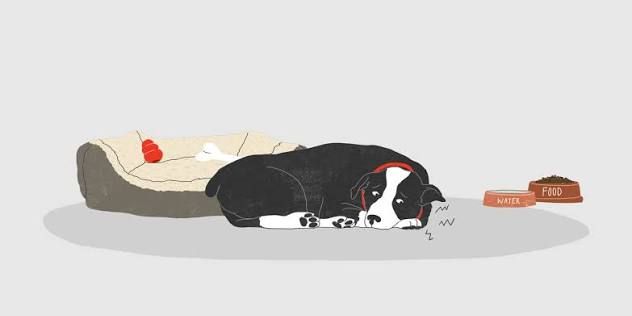
Pain in pets can be surprisingly sneaky. Because of natural instincts inherited from their wild ancestors, dogs and cats often try to hide their weakness or discomfort for as long as possible. Learning how to spot the quiet, early signs of pain allows you to step in and get them relief before a minor issue turns into a chronic struggle.
Defining the Issue: What Is Causing the Pain?
Pet discomfort can stem from a wide variety of medical issues, ranging from acute injuries to slow-developing conditions. Common underlying causes include:
- Injuries & Trauma: Sprains, muscle strains, torn ligaments, or hidden cuts from everyday play.
- Joint & Bone Issues: Osteoarthritis, hip dysplasia, or spinal stiffness.
- Dental Disease: Fractured teeth, inflamed gums, or deep tooth root infections.
- Internal Illnesses: Organ dysfunction, digestive distress, or urinary tract issues.
- Post-Surgical Discomfort: Sensitivity following medical or dental procedures.
If left unaddressed, unmanaged pain can severely impact your pet’s mobility, mood, overall health, and quality of life.
Recognizing the Warning Signs
Because dogs and cats express discomfort differently, knowing what to look for in each species helps you catch subtle changes early:
In Dogs:
- Mobility changes: Limping, stiffness when standing up, or reluctance to climb stairs or jump into the car.
- Vocalizations & mood shifts: Whining, whimpering, or unusual growling when touched in certain spots.
- Energy drops: Sleeping significantly more, lagging behind on walks, or losing interest in favorite toys.
- Focused grooming: Repeatedly licking, chewing, or biting at a specific joint or area of the body.
In Cats:
- Hiding or withdrawal: Spending unusually long periods tucked under beds, in closets, or behind furniture.
- Changes in jumping habits: Hesitating before jumping onto furniture, or no longer visiting high perches.
- Posture & grooming shifts: Sitting in a hunched position, neglecting coat care, or over-grooming a specific area.
- Appetite & litter box changes: Skipping meals, dropping food while eating, or missing the litter box due to joint stiffness.
4 Steps to Managing Your Pet’s Comfort
1. Track Behavioral Changes
Keep a brief daily log of the subtle changes you notice. Documenting when your pet struggles—such as after waking up, following exercise, or during mealtime—gives your vet crucial context to locate the pain source.
2. Make Quick Comfort Adjustments
Provide soft, supportive orthopedic bedding on ground level so your pet doesn’t need to climb stairs or jump. Consider placing non-slip rugs over slick hardwood or tile floors to help stiff joints grip securely.
3. Restrict Strenuous Activity
If you suspect an injury or notice limping, temporarily pause high-impact games like fetch, agility, or long hikes. Keep bathroom trips brief and on-leash to prevent worsening muscle or joint trauma.
4. Never Give Human Pain Medications
Never give your dog or cat human pain relievers like aspirin, ibuprofen, or acetaminophen. Many over-the-counter human medications are extremely toxic to pets and can cause fatal liver failure, kidney damage, or severe stomach ulcers.
Watch Out for Related Complications
When chronic or acute pain goes untreated, secondary health and behavioral complications can develop quickly:
- Muscle Atrophy & Weight Loss: Reluctance to move leads to rapid muscle loss, while pain-induced stress can cause a drop in appetite and weight loss.
- Behavioral Aggression: Even the gentlest pet may snap, swat, or bite if they are startled or touched in a painful area.
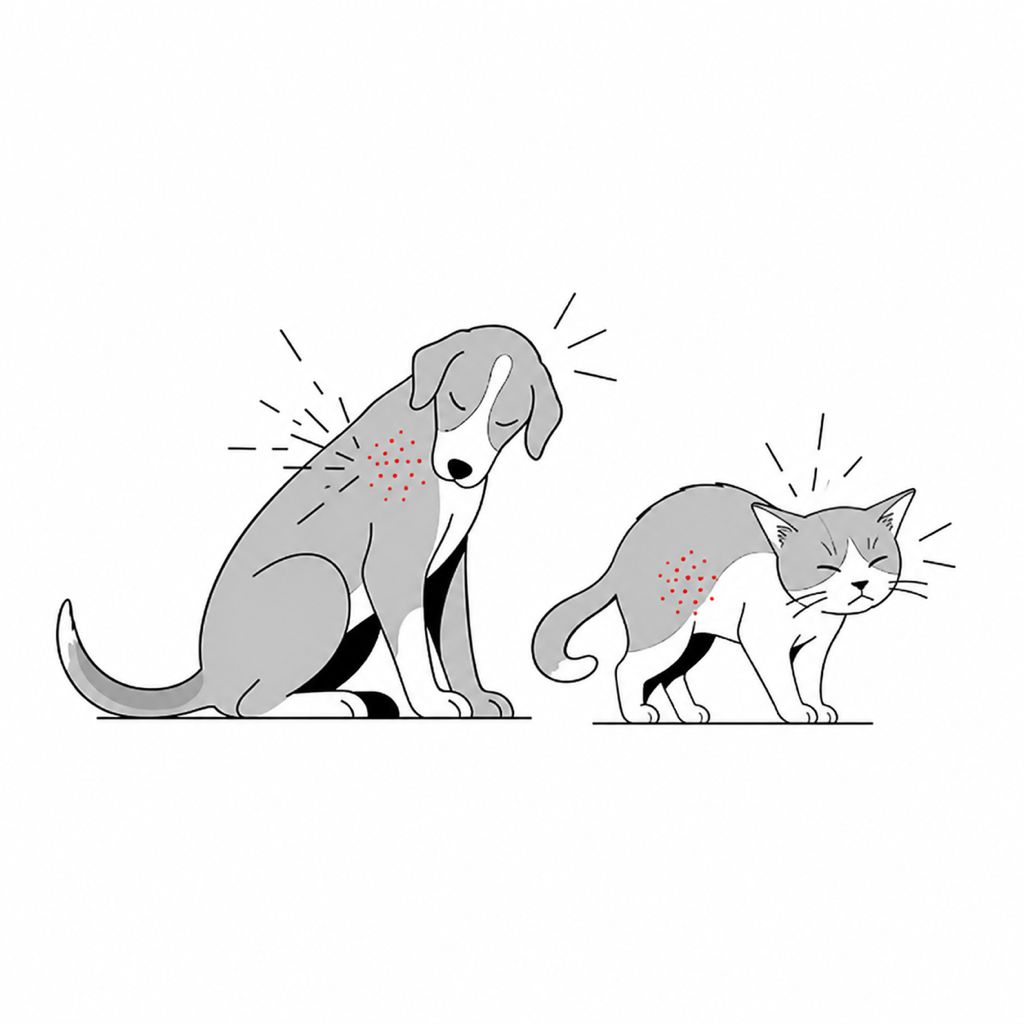
- Compulsive Self-Trauma: Persistent licking at a painful joint can break the skin, creating painful lick granulomas or secondary bacterial skin infections.
You know your pet better than anyone else. If your companion is acting differently, moving stiffly, or just seems “off,” trust your instincts—early intervention makes all the difference.