When we think about horse health, we naturally look at hooves, coats, and body condition. But there is an entire ecosystem hidden inside your horse’s mouth that directly drives their nutrition, behavior, and performance.
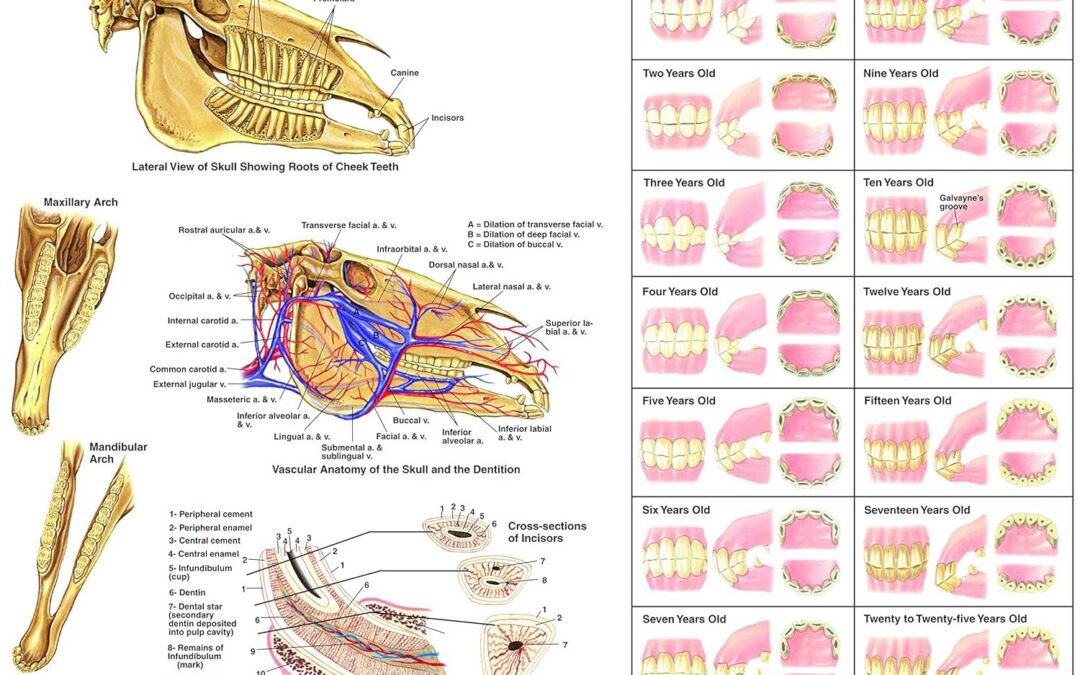
Horses have hypsodont teeth—meaning their teeth have long crowns and continuously erupt throughout their lives to make up for the constant grinding of fibrous forage. Because the upper jaw is wider than the lower jaw, this chewing pattern naturally creates razor-sharp enamel points over time.
Here is what your horse needs at every milestone of its life.
The Life Stages of Equine Dental Care
1. The Foals & Youngsters (0–5 Years)
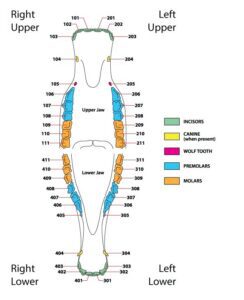
- What’s happening: This is a period of massive transition. Young horses shed 24 deciduous (baby) teeth while erupting up to 36 to 44 permanent adult teeth.
- Common issues: “Caps” (baby teeth that fail to fall out and get stuck on top of emerging adult teeth), misaligned jaws (parrot mouth), and the eruption of small, sharp wolf teeth right where the bit sits.
- The Schedule: Every 6 months. Catching alignment issues early during rapid growth can prevent lifelong structural problems.
2. The Prime Adults & Performance Horses (5–15 Years)
- What’s happening: The adult mouth is fully set, but constant chewing creates sharp enamel points on the outside of the upper cheek teeth and the inside of the lower cheek teeth.
- Common issues: Painful ulcers on the cheeks and tongue, hooks, ramps, and behavioral resistance to the bit due to focal pain.
- The Schedule: Every 12 months for a routine dental exam and floating (filing down the sharp enamel points).
3. The Golden Seniors (15+ Years)
- What’s happening: The reserve crowns of the teeth are eventually exhausted. The teeth wear down to the roots, flatten out, or can become loose and fall out.
- Common issues: Periodontal (gum) disease, tooth loss, fractured teeth, and “wave mouths” (uneven wear where some teeth are overly long and others are worn to the gumline), making it impossible to chew hay safely.
- The Schedule: Every 6 to 12 months, depending on how fast they are losing dental functional surface.
Red Flags: Signs Your Horse Needs a Dental Exam
Horses are incredibly stoic animals. Often, they won’t show obvious signs of dental pain until a problem is severe. Watch closely for these subtle indicators:
- Quidding: Dropping partially chewed wads of hay or grass from their mouth while eating.
- Weight Loss: Inability to properly break down forage, leading to poor nutrient absorption.
- Behavioral Resistance: Tossing the head under saddle, fighting the bit, tilting the head while chewing, or resisting bridging contacts.
- The Scent Test: Unusually foul or sour breath, or unilateral (one-sided) nasal discharge, which often indicates an infected tooth root that has broken into the sinuses.
Why Professional Sedation & Speculums Matter
A thorough equine dental exam cannot be done safely or accurately by simply pulling the horse’s tongue to the side. A veterinarian uses a safe, short-acting sedative to relax the horse, followed by a full-mouth speculum and a bright light source. This allows us to visually inspect and physically feel the very back molars, evaluate the health of the gums, and precision-float problem areas without stress or pain to the animal.
If it has been a while since your horse’s last dental exam, give Valley Veterinary Clinic a call at 503-556-3084 to schedule a checkup today.