
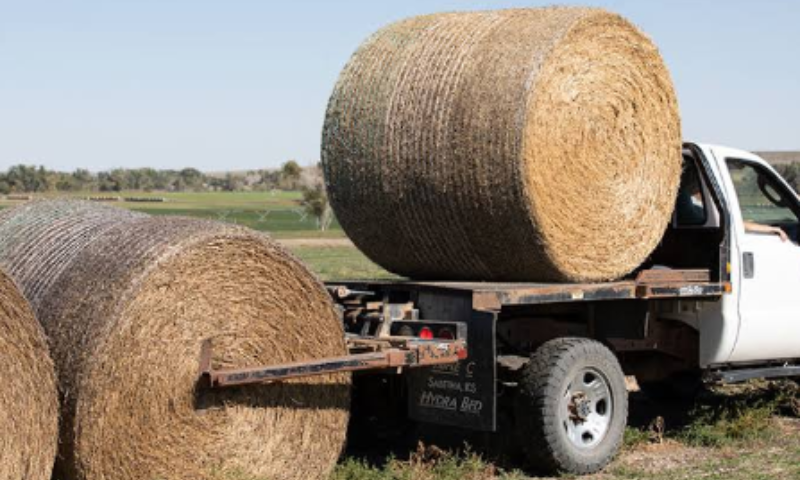
As November settles in, pastures across the country begin to go dormant, signaling a seasonal shift for horse owners, cattle producers, and homesteaders alike: winter feeding season has officially arrived.
Hay is often one of the largest expenses for livestock owners during the colder months. Having the right quantity—and, more importantly, the right quality—can make all the difference in maintaining healthy livestock and preventing winter weight loss, impaction colic, and costly feed shortages before spring.
Here’s your complete guide to evaluating your hay supply, testing forage quality, preventing storage losses, and making the most of every bale this winter.
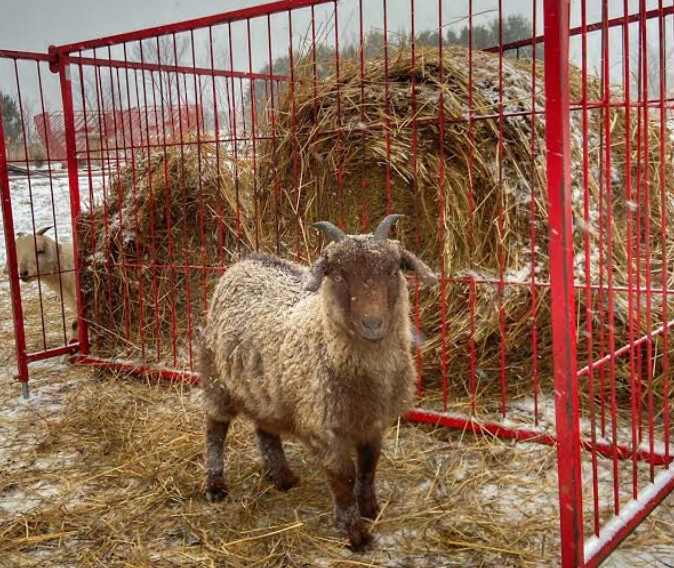
1. The November Forage Audit: Calculating Your Winter Needs
Before the snow flies, take an exact inventory of your current hay and feed supply and cross-reference it with the nutritional demands of your herd or flock.
Calculating Consumption Across Species
Large livestock and small ruminants burn significantly more energy just to maintain core body temperature when conditions drop below their Lower Critical Temperature (LCT).
- Horses: Consume 1.5% to 2.5% of their body weight per day in dry forage (e.g., a 1,200 lb horse requires 18 to 30 lbs of forage daily).
- Cattle: Consume 2.0% to 3.0% of their body weight in dry matter per day, depending on body condition, stage of pregnancy, and environmental cold stress.
- Sheep & Goats: Consume 3.0% to 4.0% of their body weight in dry forage per day (e.g., a 150 lb ewe or doe needs 4.5 to 6 lbs of leafy hay daily). Goats and sheep have higher metabolic rates relative to their body size than cattle, and pregnant/lactating animals need leafier, higher-protein hay (like alfalfa-grass mixes) to prevent metabolic conditions like pregnancy toxemia.
- Pigs: While monogastric animals like swine cannot subsist on dry hay alone, their caloric demand spikes dramatically in winter:
- Complete Feed Rations: Adult breeding stock or outdoor market hogs require 4% to 5% of their body weight in high-energy complete feed daily (or a 15% to 25% feed increase once temperatures drop below freezing).
- Forage & Bedding Role: Breeding sows and heritage breeds will forage on high-quality legume hay (alfalfa or clover) for bulk, fiber, and gut health, but hay primarily acts as thermal bedding.
Factor in Storage & Feeding Waste
Always add 15% to 20% extra for cattle and horses—and up to 20% to 25% extra for sheep and goats (who are notoriously picky and waste coarse stems)—to account for feeding losses, spoiled bales, and late-spring cold snaps.
2. Understanding Hay Quality Beyond the Visual Test
While bright green, sweet-smelling hay with soft stems is ideal, looks can be deceiving. Cold-weather rations should be built around lab testing rather than sight alone.
How to Take a Proper Core Sample
-
Use a hay probe (hay core sampler) rather than pulling samples by hand.
-
Take cores from 15–20 bales across a single, uniform lot of hay (same cutting, field, and harvest conditions).
-
Mix the cores thoroughly and submit them to a certified agricultural extension or private forage lab.
Key Metrics to Read on a Forage Analysis
| Metric | What It Measures | Target Range / Notes |
|---|---|---|
| Crude Protein (CP) | Total nitrogen content converted to protein. | 8–10% for dry cows / maintenance horses; 12–16%+ for growing stock, lactating animals, or gestating stock. |
| Acid Detergent Fiber (ADF) | Cellulose & lignin; inversely related to digestibility. | Lower is better. High ADF (>45%) indicates lower digestibility. |
| Neutral Detergent Fiber (NDF) | Total structural fiber; dictates voluntary intake capacity. | Lower is better. High NDF (>65%) means animals will feel full faster on less feed value. |
| Total Digestible Nutrients (TDN) | Estimated energy content derived from digestible fiber, protein, and fat. | 55–65%+ depending on production goals. |
| Relative Feed Value (RFV) | Single index combining energy and intake capacity. | Base score of 100 = full-bloom alfalfa. Higher is better. |
Matching Quality to Animal Needs
- High-Energy Hay (High TDN/CP): Reserve for gestating cows in their third trimester, lactating stock, or hard-working equines.
- Moderate/Lower-Energy Hay: Ideal for easy-keeper horses or mature dry cows requiring maintenance without excess calorie intake.
3. Safe Storage & Preventing Forage Loss
Improper storage can turn hard-earned forage into moldy waste or, worse, create a severe fire hazard.
Moisture Control & Spontaneous Combustion
- Safe Storing Moisture: Baled hay should ideally be below 15% moisture for small square bales and below 12–14% for large round bales.
- Internal Heating: Hay baled above 18–20% moisture undergoes internal microbial fermentation. Internal bale temperatures above 130°F (54°C) warrant close monitoring; temperatures reaching 160°F+ (70°C+) indicate immediate danger of spontaneous combustion.
Elevated Storage Hacks
- Prevent Ground Moisture Wicking: Never stack hay directly on dirt or concrete floors. Wood pallets, a gravel pad lined with heavy plastic, or elevated racking allow airflow underneath and prevent the bottom layer from rotting.
- Airflow in Barns: Leave space between the stack and barn walls to facilitate heat and moisture dissipation.
4. Stretching Your Hay Supply Through Winter
With feed costs fluctuating, reducing waste is essential for bottom-line efficiency.
- Use Dedicated Feeders: Feeding directly on the ground can lead to up to 30–45% forage loss through trampling, manure contamination, and mud. Using slow-feeder nets for horses or bale rings with skirts for cattle dramatically reduces waste.
- Unroll Large Round Bales Selectively: If unrolling round bales in pasture, only unroll what stock can finish in a single day to avoid weather damage and mud trampling.
- Supplement Low-Quality Forage Wisely: If your forage analysis shows low protein or energy, supplement with high-fiber concentrates (like beet pulp or soy hulls) or protein licks/blocks rather than over-feeding low-quality hay.