
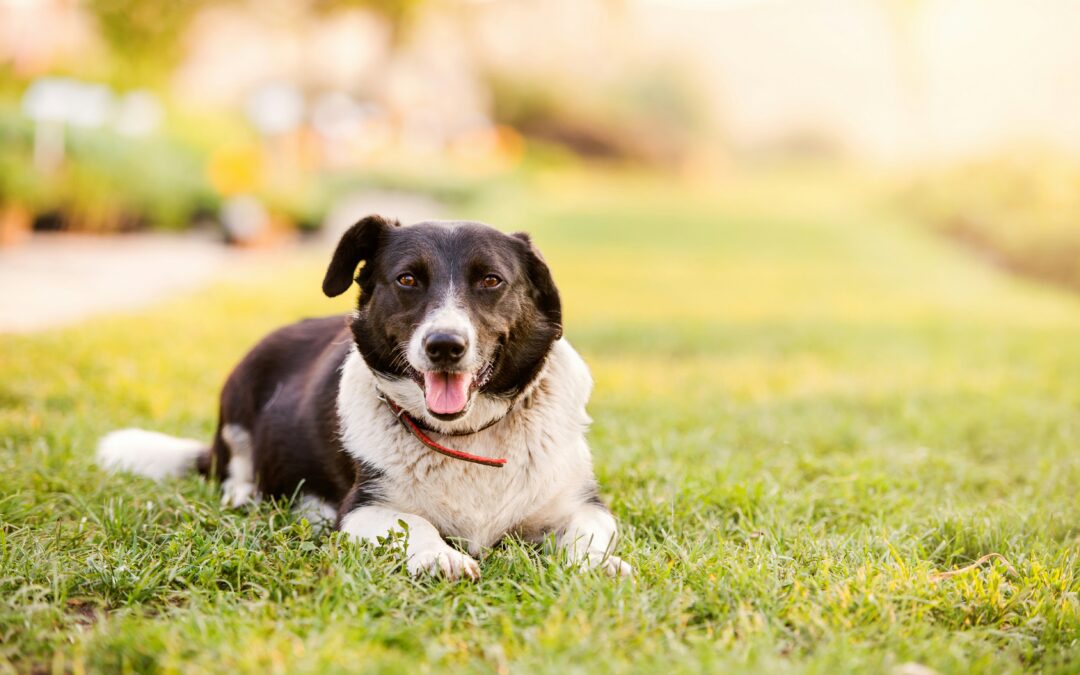
There is nothing quite like the first true weekend of summer, when the sun warms the pavement and the local trails come alive. Watching your dog bound through the tall grass, tail wagging furiously as they chase a tennis ball, feels like the ultimate reward after months of gray, rainy walks. It is a moment of pure, active joy—the visual definition of a happy pet and a deeply rewarding bond.
But beneath that sunny afternoon bliss lies a sudden, silent disruption: Heat Stroke.
Functionally known as hyperthermia, this dangerous condition occurs when a pet’s core body temperature rises to critical levels, and their natural cooling mechanisms completely fail. When heat stroke strikes, it triggers a rapid internal emergency that can turn a happy, energetic companion into a disoriented, collapsing medical crisis in a matter of minutes.
It is incredibly frustrating to realize that a simple afternoon of outdoor fun can place your best friend in immediate danger. However, managing this risk doesn’t require advanced medical degrees or expensive clinical tools. Instead, preventing and halting this progression relies entirely on practical, environmental shifts and a few basic first-aid adjustments that you can control anywhere.
The Hidden Culprit: The Internal Furnace
To understand why summer weather triggers heat stroke so quickly, think of your pet’s body not like a human’s, but as a heavily insulated room with only one small window. While humans sweat from almost everywhere to cool down, dogs and cats can only release heat through panting and the tiny sweat glands in their paw pads. When the air temperature rivals their internal temperature, that small window slams shut, and their body heat builds up like a greenhouse.
-
Panting Overload: As a pet tries to cool down, they pant faster. If the air is hot or humid, this rapid breathing stops evaporating moisture efficiently, actually generating more internal muscle heat.
-
Circulatory Strain: The heart begins pumping furiously to push hot blood away from vital organs and toward the skin’s surface, causing blood pressure to plummet and oxygen delivery to stall.
-
Cellular Breakdown: Once a pet’s internal temperature crosses 106°F, the extreme heat physically damages internal cells, triggering widespread inflammation and organ stress.
The Golden Rule: If the outdoor temperature plus the relative humidity equals a number greater than 150, limit intense exercise to short, early-morning bathroom breaks.
Step-by-Step: The Heat Mitigation Protocol
Safely helping a pet acclimate to rising temperatures involves a structured, gradual cooling and management routine to ensure their system handles the seasonal shift without overheating.
1. The Safe Evacuation: Phase 1 / Immediate
At the very first sign of heat stress, immediately halt all physical activity. Move your pet out of the direct sunlight and into a heavily shaded area, or preferably, a well-ventilated, air-conditioned vehicle or building.
2. The Evaporative Cool-Down: Phase 2 / Within 5 Mins.
Pour cool—not freezing—water over your pet’s body, focusing heavily on the belly, groin, and paw pads where major blood vessels run close to the skin. Position a portable fan to blow directly over their wet fur to maximize evaporative cooling.
3. The Hydration Check: Phase 3 / Within 15 Mins.
If the pet is fully conscious and willing to drink, offer fresh, room-temperature water. Do not force water down their throat or use ice-cold water, which can cause the blood vessels near the skin to constrict, trapping heat deeper inside the body.
4. The Monitored Recovery: Phase 4 / Maintenance
Once the pet’s breathing slows and they appear alert, dry them off gently. Keep them strictly resting in a cool room for the remainder of the day, monitoring them closely for any delayed lethargy, as internal organs require time to stabilize after a spike in temperature.
Reading the Animal: Subtle Whispers of Overheating
Pets are deeply loyal and will often keep running or playing to please their owners, masking their discomfort until they are on the verge of collapse. To protect them, you must look for the subtle physical and behavioral shifts that manifest during your outdoor adventures.
-
The Exaggerated “Spoon” Tongue: Watch the shape of your dog’s tongue as they pant. If it becomes wide, flat, and rolls out aggressively at the bottom like a wide spoon, it is a biological sign that they are desperately trying to maximize surface area to shed heat.
-
The Lagging Pace: Pay close attention to your pet’s motivation. If they begin lagging behind on the trail, searching out shade under bushes, or ignoring a favorite toy they were eagerly chasing just moments before, their body is signaling an acute energy drain.
-
The Brick-Red Gums: Gently lift your pet’s upper lip to inspect their mouth. Healthy gums are a soft, bubblegum pink; if the tissue looks deep red, sticky, or dry to the touch, it indicates severe dehydration and poor blood circulation.
When it’s an emergency:
If your pet is vomiting, staggering as if drunk, experiencing glassy eyes, or collapses and cannot stand up, they are in a critical state of heat stroke. Call Valley Veterinary Clinic immediately.
While you wait for the vet:
1.Wrap the pet in cool, damp towels (never use ice or ice sheets, which drop temperature too violently and induce shock)
2. Keep the car air conditioning running on maximum during the entire drive to the clinic.
3. Do not attempt to give any oral medications, as their digestive tract cannot safely process them right now.
By keeping a sharp eye on these early physical indicators and respecting the unique ways our pets handle the summer sun, you can keep your adventures safe and enjoy a healthy, worry-free season together.