

A Pet Parent’s Guide to Common Parasites
As pet owners, we do everything we can to keep our furry family members happy and healthy. We buy the premium food, memorize their favorite scratch spots, and give them a place of honor on the couch.
But there’s a less pleasant side to pet parenthood that every dog and cat owner needs to stay on top of: parasites.
These tiny invaders are more than just a nuisance. Left unchecked, they can cause serious health complications for your pets—and in some cases, even transmit illnesses to the human members of your household.
Let’s break down the most common external and internal parasites affecting dogs and cats, what signs to look for, and how to keep your home pest-free.
1. External Parasites: The Surface Swarmers
These are the pests you are most likely to see with the naked eye. They hitch a ride on your pet from the grass, dirt, or other infested animals.
Fleas
Fleas are incredibly resilient insects that feed on your pet’s blood. A single female flea can lay up to 50 eggs a day, turning a minor outdoor hitchhiker into a full-blown household infestation within weeks.
- The Risk: Intense itching, flea allergy dermatitis (severe skin irritation), anemia in severe cases, and tapeworm transmission if a pet swallows an infected flea while grooming.
- What to look for: Frequent scratching or biting at the base of the tail, red bumps, or “flea dirt” (tiny black specks on the skin that turn red when wiped with a wet paper towel).
Ticks
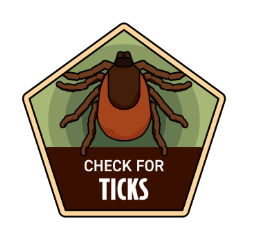
Ticks are arachnids that lurk in tall grass, brush, and wooded areas, waiting for a dog or cat to brush past. They anchor into the skin to feed on blood over several days.
- The Risk: Transmission of serious bacterial illnesses like Lyme disease, Anaplasmosis, and Rocky Mountain spotted fever.
- What to look for: Small, firm bumps under the fur after walks. Ticks scale up in size as they feed, making them easier to spot the longer they stay attached.
2. Internal Parasites: The Hidden Threat
Internal parasites live inside your pet’s body, primarily targeting the gastrointestinal tract or the cardiovascular system. Because they are hidden from view, regular veterinary screening is vital to catching them early.
Heartworms
Unlike intestinal worms, heartworms are transmitted exclusively through the bite of an infected mosquito. Once inside your pet, the larvae travel through the bloodstream and mature into foot-long adult worms that live inside the heart and pulmonary arteries.
- The Risk: Severe lung disease, heart failure, permanent organ damage, and fatality if left untreated. While treatable in dogs (though the process is lengthy and tough on the body), there is no approved medical treatment for heartworms in cats.
- What to look for: Early stages usually show zero symptoms. As the disease progresses, you may notice a mild persistent cough, reluctance to exercise, fatigue after mild activity, and decreased appetite.
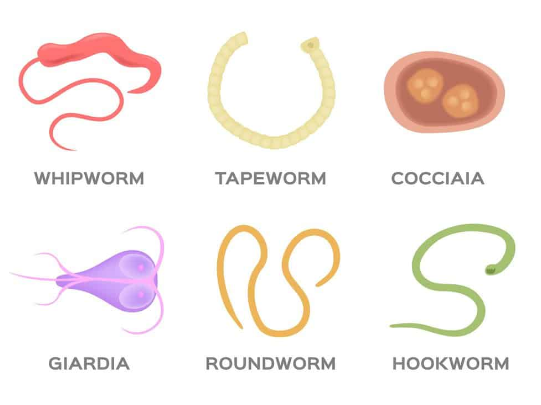
Intestinal Parasites (Roundworms, Hookworms, Tapeworms, & Protozoa)
Dogs and cats can pick up intestinal parasites by swallowing soil contaminated with microscopic eggs, grooming dirty paws, or hunting small rodents.
-
The Risk: Nutritional deficiencies, weight loss, vomiting, diarrhea, and anemia. Certain parasites like hookworms and roundworms are zoonotic, meaning they can be passed from animals to humans—especially young children who play in dirt or sandboxes.
-
What to look for: A pot-bellied appearance (especially in puppies and kittens), unexplained weight loss, scooting across the carpet, or visible worm segments in the stool or around the tail (which often look like tiny, moving grains of rice).
The Ultimate Prevention Checklist
The good news is that almost every single parasite listed above is entirely preventable. Treating an active infestation or a parasite-borne disease is always harder, more expensive, and more stressful than preventing it in the first place.
1. Keep them on year-round preventatives: Monthly Routine
Administer vet-approved flea, tick, and heartworm preventative medications every single month. Pests don’t completely disappear in the winter, and indoor pets are still at risk from mosquitoes or fleas that make it inside.
2. Schedule annual fecal exams: Yearly Vet Visit
Bring a fresh stool sample to your pet’s annual wellness exam. Veterinarians use microscopic testing to look for parasite eggs and protozoa (like Giardia or Coccidia) that aren’t visible to the naked eye.
3. Practice clean yard hygiene: Daily Maintenance
Scoop your yard regularly and dispose of pet waste promptly. This drastically reduces the life cycle of intestinal parasites in your immediate environment and keeps eggs from seeping into the soil.
4. Minimize hunting behaviors: Daily Supervision
Keep cats indoors and supervise dogs on walks to prevent them from eating wild rodents, birds, or wildlife carcass scraps, which are frequent carriers of parasite larvae.
A Note on Over-the-Counter Treatments: Not all preventative products are created equal. Some grocery store collars or topical treatments have lower efficacy rates or may contain ingredients that are unsafe, particularly for sensitive cats. Always consult your veterinarian to customize a safe, effective preventative plan tailored to your pet’s specific lifestyle and weight. NEVER use a product labeled for a dog or cat on the opposite species, this is a life threatening mistake made often.
If you have questions about your pet’s current preventative protocol or need to schedule an annual screening, give our team a call. Let’s work together to keep your companions safe, healthy, and parasite-free!